At first glance, a printed menu seems like a small expense.
You design it, send it to the print shop and use it for a few months.
In reality, the costs appear when the restaurant starts to change.
Supplier prices go up, new dishes appear, some products disappear, portion sizes change or the restaurant introduces a new offer.
The printed menu, however, stays exactly the same.
A single change can affect dozens of menus
Let’s say the restaurant has 40 menus.
Changing the price of a single dish can mean updating all 40 copies.
Some restaurants choose to stick the new prices over the old ones. Others keep using the menu until the next reprint.
Neither option is ideal.
Besides reprints, you also have to account for menus that get damaged, stained or lost.
A digital menu changes the process completely
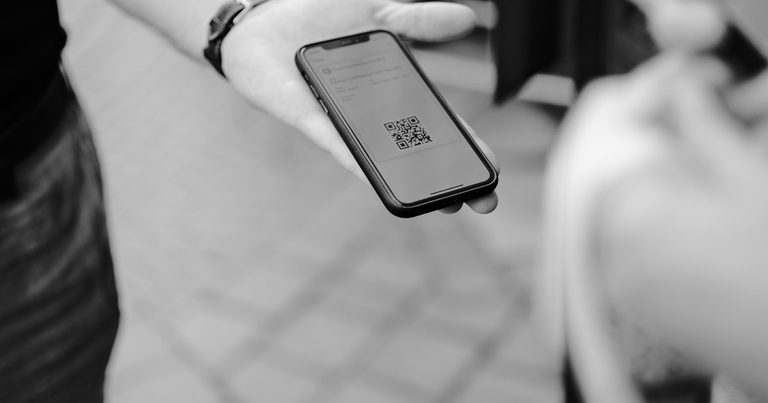
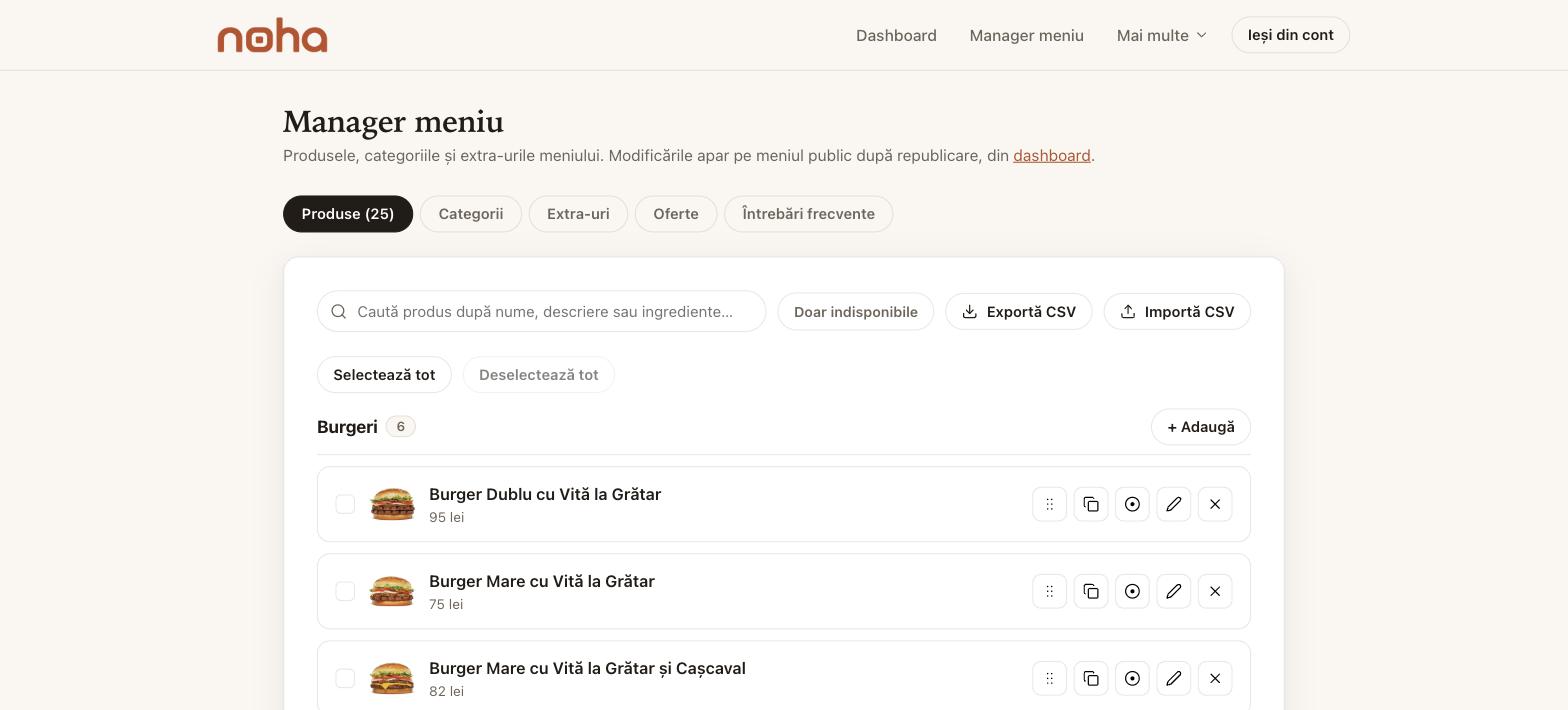
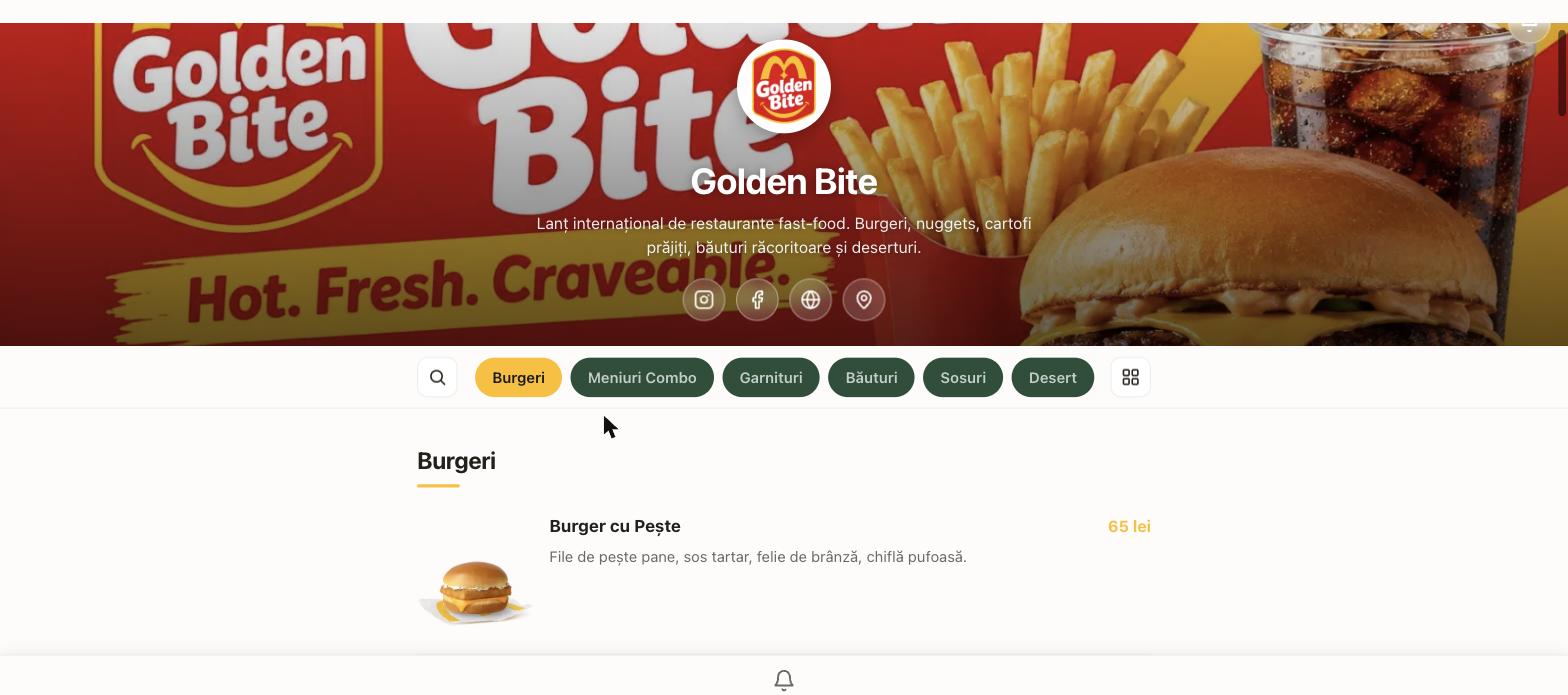
In a digital menu with a QR code, the product is managed from a single place.
You change the price.
You press “Publish”.
From that moment on, the new price can be seen by every customer who opens the menu.
The QR code on the table doesn’t need to be replaced.
The menu link stays the same.
You can react faster
Flexibility matters especially at a time when ingredient costs can change quickly.
Instead of postponing the change until the next reprint, you can update the menu when it’s needed.
The same goes for product availability.
If a dish isn’t available for a while, it can be hidden and reactivated later.
A menu that evolves with the restaurant
The menu shouldn’t be a document you change twice a year.
It should reflect what is happening in the restaurant at that moment.
A digital menu does exactly that.
You change the information once, and customers immediately see the updated version.